
Data Analyst’s Guide to Doing an MBA

A data analyst already has skills that B-schools value. What an MBA adds is the business context to make those skills consequential at a leadership level. The right question is not whether to get an MBA, but what you want to do post-MBA and whether an MBA is the fastest path there. This guide covers the decision, the curriculum, school selection, and the five most common post-MBA career paths for data professionals.
Data analysts tend to be strong on the technical side and underweight on the business side. You can build a model, interpret a result, and identify what the data says. What an MBA is designed to give you is the language, context, and credibility to influence what the business does with that information.
That is a meaningful upgrade if your career goal is to move into strategy, consulting, product leadership, or a C-suite function. It is less meaningful if you want to stay on the technical track, where a specialised master’s degree or industry experience tends to matter more.
This guide will help you think through the decision, understand what the MBA curriculum actually adds to a data analyst’s toolkit, and figure out where you are most likely to land post-MBA. If you are also considering a Masters in Business Analytics as an alternative, the next section addresses that comparison directly.
What Data Analysts Actually Do Across Industries
The title “data analyst” covers very different work depending on sector. Two profiles illustrate how the role functions differently, even when the underlying skills are similar.
Profile 1: Equity Research Analyst (Financial Services)
An equity research analyst gathers financial data from company filings, earnings calls, and market sources. They build financial models to forecast performance, run comparative analyses across competitors, and produce research reports with buy, hold, or sell recommendations. The output is a decision, not just an insight.
Profile 2: Lead Data Scientist at a Consulting Firm
A lead data scientist at a consulting firm works on the other end of the spectrum. They build and validate predictive models using machine learning, develop data strategies for clients, and translate analytical outputs into business recommendations for senior leadership. The output is also a decision, but the path to get there involves more model-building and less financial analysis.
The analytical toolkit overlaps significantly between these two roles. What differs is the business context each requires. That is precisely the gap an MBA is designed to close.
MBA vs Masters in Data Science or Analytics: Which One Is Right for You?
The answer depends entirely on where you want to go, not on which degree sounds better.
An MBA makes sense when your goal is to move out of a purely technical role
The MBA is the right choice if you are aiming for general management, strategy, consulting, or a cross-functional leadership role where business credibility matters as much as technical skill. Recruiters at McKinsey, BCG, and top strategy teams are looking for business judgment, communication ability, and an understanding of how organisations work. An MBA from a top program signals all three.
- You want to move into consulting, product management, or general management
- You want to lead teams that include non-technical members
- You are targeting roles where the business context matters as much as the analysis
- You want to build a broader professional network across industries and functions
- Your long-term goal is the C-suite, not a principal engineer or senior data scientist track
A specialised Masters makes sense when technical depth is the goal
If you want to deepen your analytical capability, move into machine learning or AI research, or advance on the technical track toward a principal data scientist or head of analytics role, a Masters in Data Science, Statistics, or Business Analytics will typically serve you better than an MBA. The technical curriculum is more rigorous, the cost is usually lower, and the credential is directly relevant to technical hiring decisions.
- You want to stay on the technical track and advance in analytical seniority
- You are interested in ML engineering, AI research, or advanced analytics
- Your target roles are primarily filled by candidates from technical programs
- You do not want to spend time on core MBA subjects like accounting, marketing, or organisational behaviour
| Factor | MBA | Masters in Data Science / Analytics |
|---|---|---|
| Primary focus | Business strategy, leadership, general management | Technical depth: ML, statistics, advanced analytics |
| Best for | Moving into management, consulting, or strategy | Staying on the technical track at senior levels |
| Typical duration | 1 to 2 years | 1 to 2 years |
| Network value | Very high: cross-industry, cross-function | Moderate: primarily within data/tech community |
| Admissions test | GMAT (preferred) or GRE | GRE standard; GMAT less common |
| Return on investment | Higher for career switchers and leadership tracks | Higher for those deepening technical roles |
| Career switcher value | Strong: MBA provides credibility across functions | Low: does not help change roles or sectors |
If you have decided that an MBA is the right path, the next practical decision is which entrance exam to take. Data analysts often score well on quantitative sections but need a clear picture of which test plays to their strengths. The GMAT vs GRE comparison breaks down how the two tests differ and which programs prefer which.
Data analysts are one of the strongest technical profiles in any MBA cohort. The challenge in the application is not proving you can do the work. It is proving you understand why the business decision matters, not just what the data shows. Your essays and interview need to demonstrate business judgment, not analytical capability. AdComs already assume you have the latter.
What the MBA Curriculum Adds to a Data Analyst’s Toolkit
Not every MBA course is equally relevant. Your elective choices matter significantly. Below is a breakdown of the most relevant courses and what they add for data professionals.
Select your post-MBA goal to see which courses matter most for your path:
Strategic management gives you the frameworks for how organisations make and implement decisions at the top level. For a data analyst, this is the course that teaches you why the business is asking for the analysis you are running. Understanding strategy lets you shape better questions, not just answer the ones you are given.
Financial literacy is a prerequisite for credibility in most post-MBA roles. Consultants, strategy professionals, and product leaders all need to understand financial statements, corporate finance principles, and how capital allocation decisions are made. Without this, a data analyst’s recommendations can lack the financial grounding that executive stakeholders expect.
Marketing management covers segmentation, targeting, positioning, and the marketing mix. For a data analyst, this course matters because marketing decisions generate some of the richest datasets in any organisation. Understanding what those decisions are trying to achieve makes your analytical output significantly more useful to the teams you are serving.
Operations management covers process design, supply chain, and the management of complex systems. Data analysts working in manufacturing, logistics, retail, or healthcare will find this course directly applicable. It also provides a framework for identifying where data can create the most operational leverage.
Economics gives you the tools to understand market forces, pricing dynamics, competitive behaviour, and how external economic conditions affect business performance. These are the analytical frameworks that give context to the data you are working with. Without them, data analysis can produce accurate numbers that lead to poor decisions.
For data analysts, this is where the MBA curriculum directly reinforces existing strengths. Advanced analytics electives cover machine learning applications in business, AI-driven decision systems, and how to build data strategies at an organisational level. The differentiator here is the business framing, not the technical content.
Choosing the Right MBA Program as a Data Analyst
Not all MBA programs are equally well positioned for data professionals. These criteria carry specific weight when you come from an analytical background.
Analytics specialisation depth
Look for programs with a dedicated business analytics track or significant elective offerings in data science, AI, and quantitative methods. MIT Sloan, Chicago Booth, Carnegie Mellon Tepper, and ISB are examples of programs with strong analytics-oriented curricula.
Faculty and research output
Check faculty profiles in the areas relevant to your post-MBA goal. Published research and industry experience in data-driven fields signals a curriculum that is current, not just foundational.
Recruiting relationships
Which consulting firms, tech companies, and analytics-heavy employers recruit on campus? Career placement data by function is more informative than aggregate placement rates. Look specifically at where data and technology hires go.
Alumni network in your target sector
Reach out to alumni in data, product, or strategy roles before applying. Their view of how the program prepared them for those specific roles will tell you more than any rankings page.
Class profile and diversity
Data analyst and tech backgrounds are often over-represented in some programs and under-represented in others. Understanding the cohort mix helps you assess both how distinctive your profile will be and what you will learn from your classmates.
Return on investment
MBA programs vary significantly in cost and in the salary uplift they generate. Compare median post-MBA compensation in your target function against program cost, including opportunity cost of time out of the workforce.
Post-MBA Career Paths for Data Analysts
The five roles below are the most common destinations for data analysts who complete a top MBA program. Each represents a different application of your existing analytical skills within a broader business context.
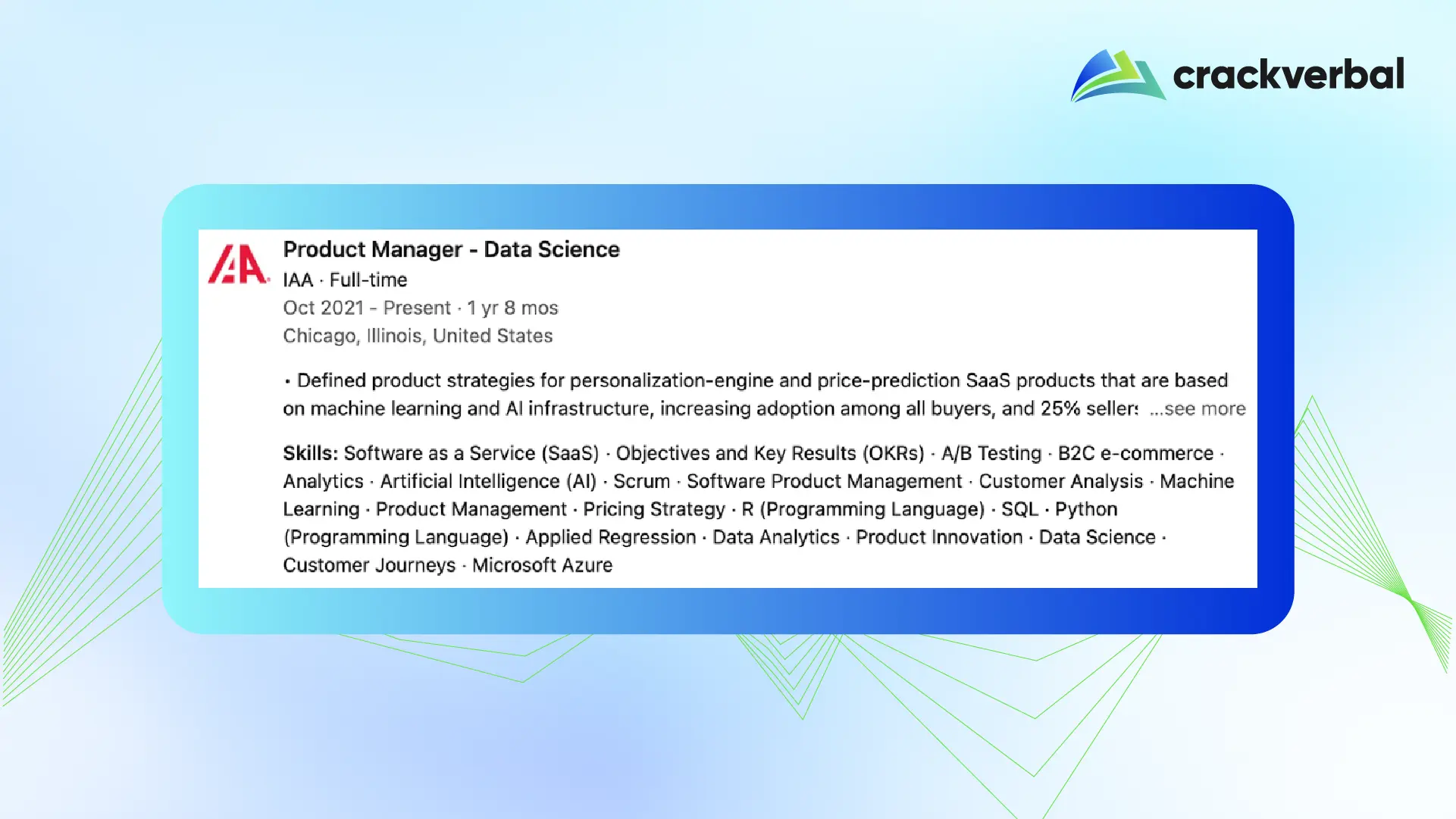
A Product Manager on a data science team bridges technical and business stakeholders. You manage the product roadmap, ensure the team’s analytical work connects to business priorities, and communicate results to non-technical leadership. This role combines your data fluency with the strategic and communication skills the MBA develops.
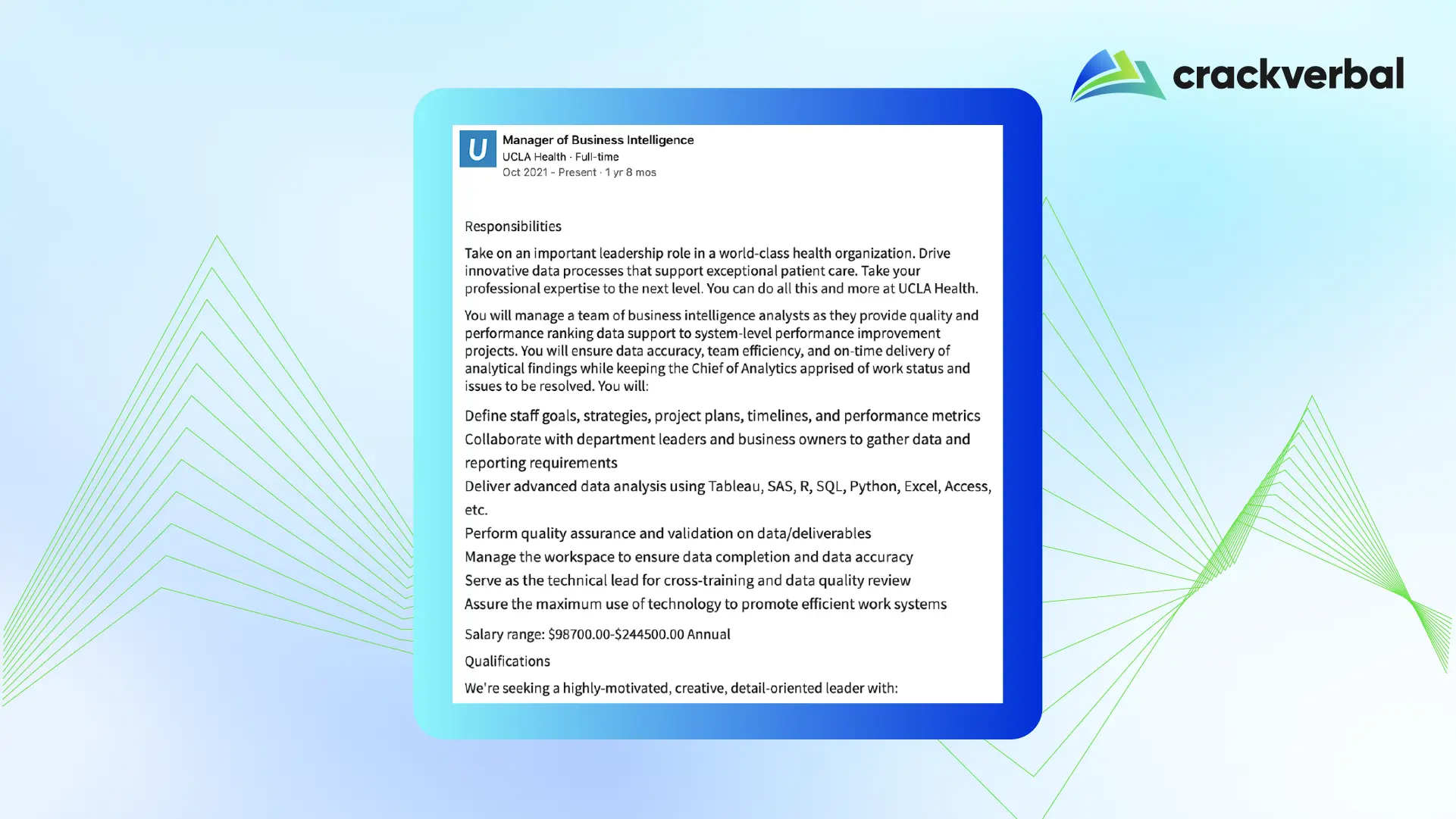
A BI Director owns the organisation’s analytics infrastructure and strategy. You define how data is used to inform decisions across functions, manage a team of analysts, and report to C-suite leadership on analytical capabilities and gaps. The MBA gives you the organisational and strategic fluency to operate at this level.
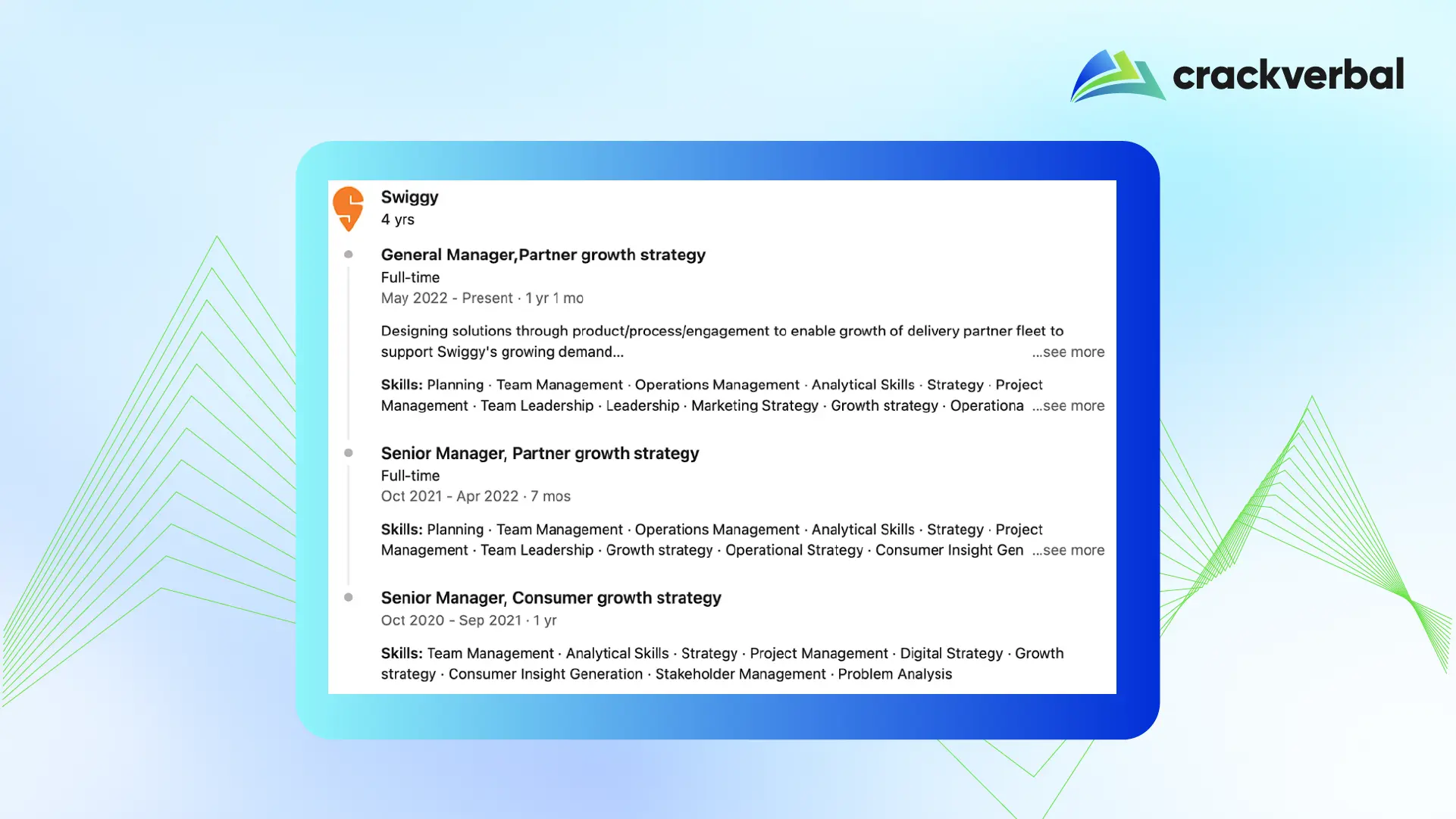
Consulting firms actively recruit data analysts from top MBA programs. Your quantitative background is a differentiator in a cohort of generalists. The MBA adds the business frameworks, communication skills, and network to convert analytical insight into board-level recommendations. ISB, IIM, and global programs with strong consulting placements are the most direct paths.
For a detailed breakdown of consulting career paths post-MBA, the guide on management consulting after MBA covers firm types, recruiting timelines, and what differentiated candidates look like.
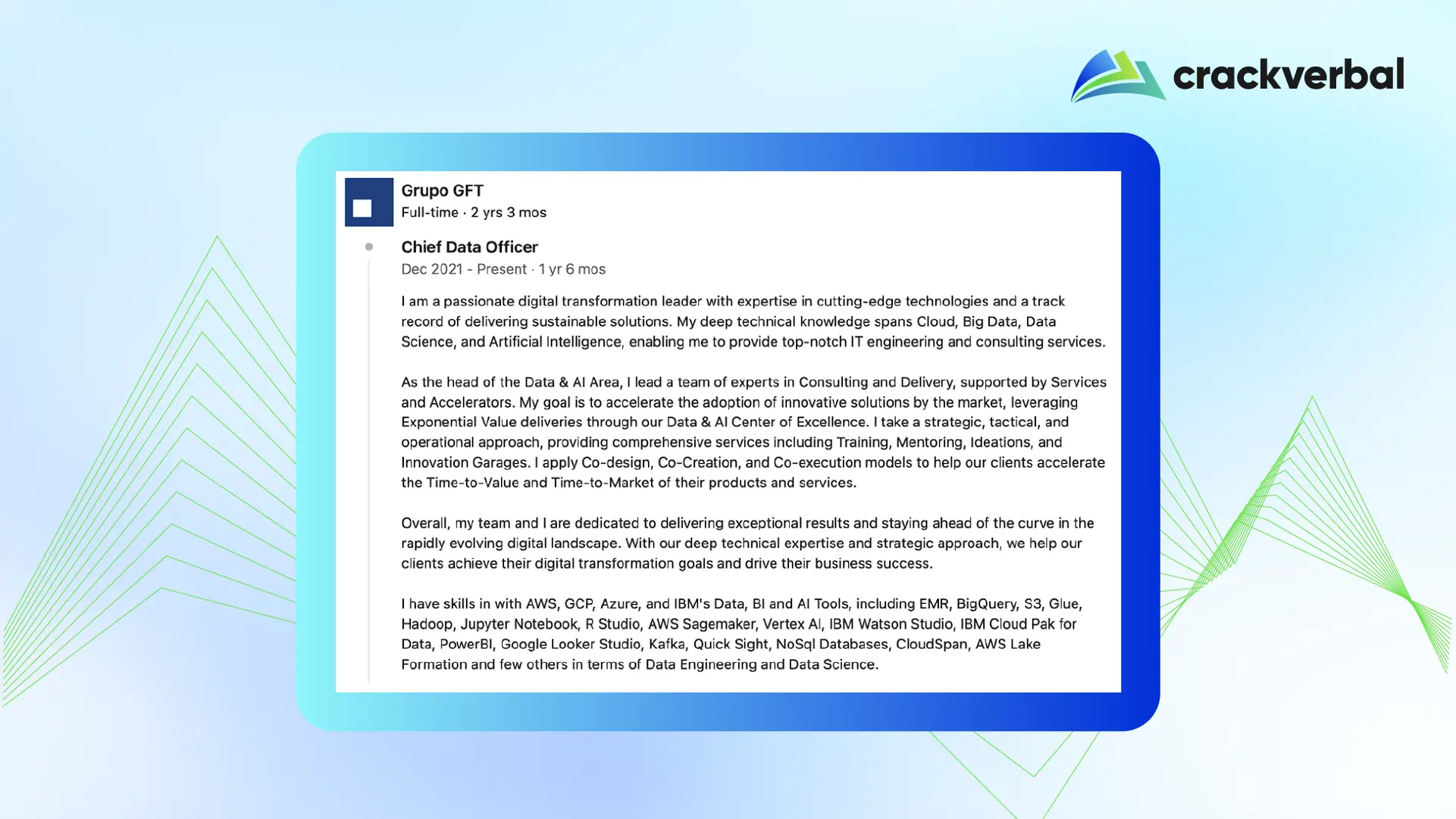
The CDO role is the end-state career path for senior data professionals. You own the organisation’s data strategy, governance, and quality standards. You sit at the leadership table and are responsible for turning data into competitive advantage at scale. This role requires both deep technical credibility and executive business fluency. The MBA provides the latter.
Marketing functions at data-driven organisations need professionals who combine analytical rigour with an understanding of consumer behaviour and brand strategy. A data analyst with an MBA is well positioned to lead marketing analytics teams, build attribution models, and advise on marketing strategy backed by quantitative insight.
Still have questions?
Our admissions experts have worked with data analyst and technology profiles across every major MBA program. Get a personalised recommendation based on your specific background and target schools.
Talk to a Crackverbal expertAn MBA Is Not for Every Data Analyst. It Is for Analysts Who Want to Change the Kind of Work They Do.
If your goal is to lead, advise, or build, and you want business credibility alongside your technical skills, an MBA from a strong program is one of the most efficient ways to get there. The curriculum adds the missing layer. The network opens the doors. The credential signals to employers that you can operate in business conversations, not just analytical ones.
If your goal is to advance as a data professional on the technical track, a specialised master’s program or strong industry experience will serve you better.
Before you decide on a program, understanding what B-schools look for in an applicant will help you assess how your data analyst profile is likely to be read and what you need to strengthen before applying.
The MBA adds what the technical track does not: business language, cross-functional credibility, and the network to enter rooms where strategy is made. If that is where you want to go, the credential is worth it. If it is not, skip it and invest that time in depth instead.
Your MBA journey starts with
one right call.
30-minute profile evaluation. We'll tell you which schools match your profile and your odds — with no hedging.